Smash Repairs

The Gippsland region presents a unique combination of environmental stressors that can accelerate paint degradation. High humidity levels create moisture that bonds to your vehicle's surface, while the area's intense UV radiation breaks down clear coat protection over time. Rural road conditions add another layer of challenge, with gravel, dirt, and road salt exposure creating micro-abrasions and corrosion risks.
These factors work together to cause paint fading, oxidation, and clear coat failure more rapidly than in drier climates. Understanding this environmental pressure helps you prioritise maintenance and recognise when professional intervention becomes necessary. The good news is that with consistent, targeted care, you can significantly slow this deterioration process.
Regular washing removes moisture, dirt and contaminants before they remain on the paint for long periods. Use a car-wash product intended for automotive paint, soft clean cloths and a thorough drying method to reduce marks.
A suitable wax or protective coating can add another barrier against sun and moisture. Follow the product instructions or ask a professional detailer which option suits the vehicle and its usual driving conditions.
Oxidation appears as a chalky, dull finish on your paint and indicates that UV exposure and moisture have begun breaking down the clear coat. Early detection is crucial, addressing oxidation before it deepens prevents the need for full paint correction or respray work. Regular inspection, especially on horizontal surfaces like the roof and bonnet that receive maximum UV exposure, helps you catch oxidation in its early stages.
Minor paint chips and scratches should be addressed promptly to prevent rust development underneath. Keep touch-up paint on hand for small blemishes, or consult a professional for larger affected areas. In Gippsland's humid climate, rust can develop surprisingly quickly once the paint barrier is compromised. Combining preventative washing routines with prompt attention to damage significantly extends your paint's lifespan and reduces the frequency of professional spray work needed.
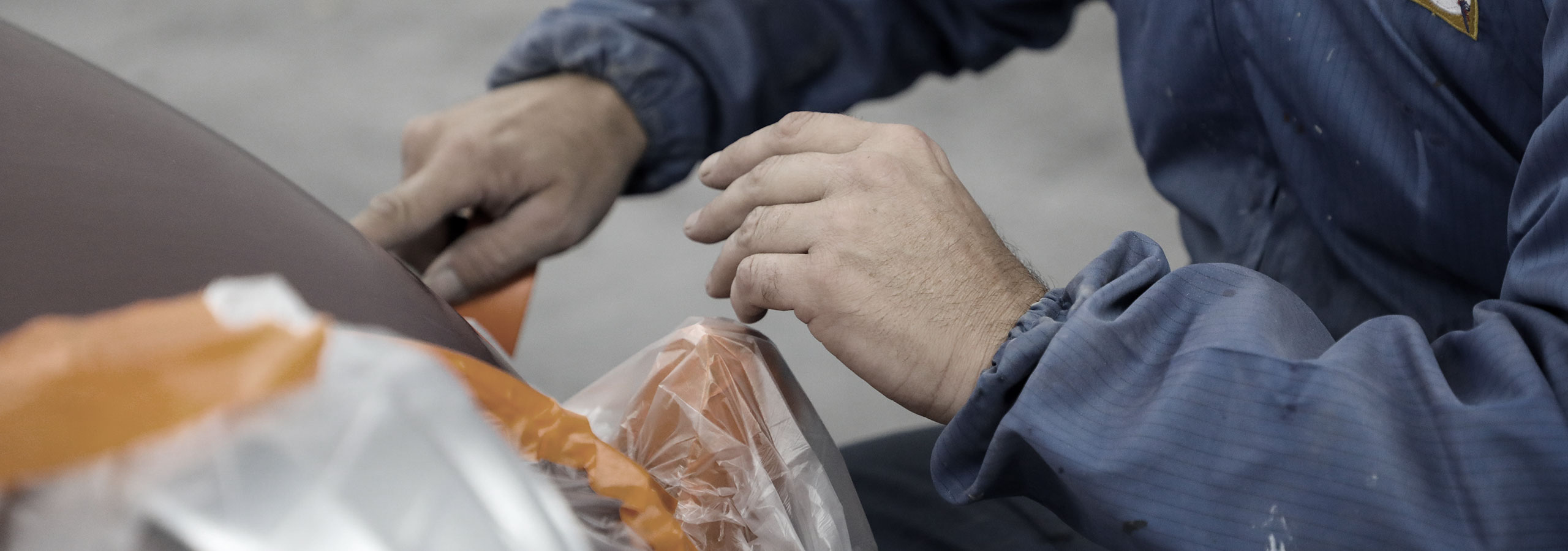
While DIY maintenance forms the foundation of paint protection, professional spray painters and detailers have the expertise and equipment to address damage that home care cannot. If your vehicle's paint has developed significant oxidation, scratches that reach the undercoat, or rust formation, professional intervention becomes necessary. A skilled spray painter can restore your vehicle's finish and apply professional-grade protective coatings that last longer than retail products.
At Warragul Panels, our team understands the specific challenges Gippsland's climate poses to vehicle paintwork. Beyond spray painting and repairs, we can assess your paint's condition and recommend tailored maintenance strategies suited to your vehicle's exposure and age. Regular professional inspections, particularly after severe weather or extended periods on rural roads, ensure small issues don't develop into costly repairs. Combining consistent home maintenance with periodic professional care creates a comprehensive strategy that keeps your car's paint looking excellent for years to come.
Created by CJ Digital