Smash Repairs

Paintless dent removal (PDR) is a specialized technique that removes dents and dings from vehicle panels without sanding, filling, or repainting. Using precision tools and a methodical approach, technicians access the back of the damaged panel and gently massage the metal back into its original shape from behind. This process preserves your vehicle's original factory paint finish entirely.
The PDR process involves carefully studying the dent's shape, location, and depth, then using a series of specialized metal rods and picks to apply controlled pressure. Technicians work gradually, making small adjustments and checking progress frequently to avoid overcorrection. The result is a panel that looks and feels as if the damage never happened, without any evidence of repair.
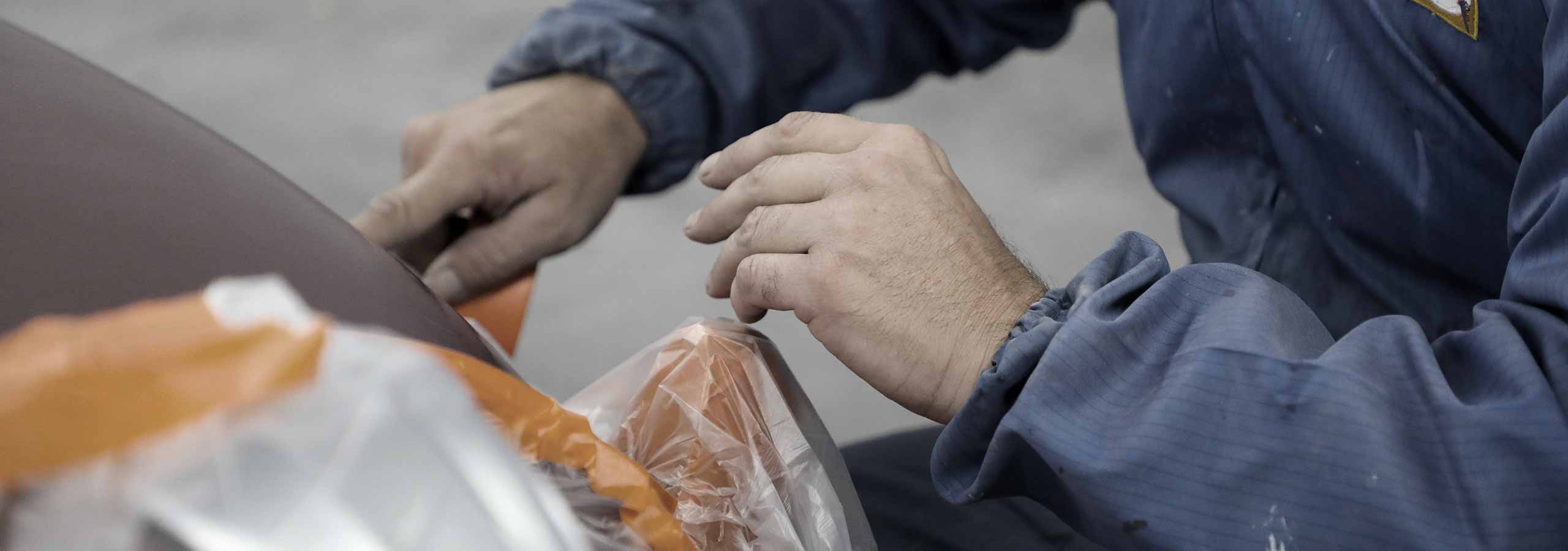
PDR works best on damage that hasn't cracked or creased the paint. Small hail dents, parking lot dings, door impact marks, and minor creases in doors or panels are ideal candidates. The dent must have a clearly defined shape and shouldn't be located on sharp body lines where metal is already stressed, as these areas are harder to access and reshape safely.
Conversely, PDR isn't suitable if the paint has been scratched, scraped, or broken. Rust, deep creases that run parallel to body lines, or dents near welded seams also fall outside the scope of paintless repair. Your Warragul Panels technician can assess your damage in person and recommend whether PDR or traditional smash repair is the better choice for your situation.
Paintless dent removal avoids sanding, filler and repainting when the damage is suitable. That can reduce the amount of repair work and preserve the factory paint finish.
The actual repair time and price depend on the size, depth, location and access behind the dent. Warragul Panels will inspect the panel before recommending paintless dent removal or a conventional repair.
Despite its advantages, PDR has limitations. If the paint is damaged, if the metal is creased beyond gentle reshaping, or if the dent is located in a structurally complex area, traditional smash repair is the appropriate choice. Your panel may need removal, straightening via specialized equipment (such as a chassis straightener), filler application, and a full repaint to restore safety and appearance.
Deep creases, rust-affected areas, or damage affecting multiple panels also typically require conventional repair methods. Additionally, if your vehicle has been in a collision that affects structural alignment, chassis straightening may be necessary alongside panel work. At Warragul Panels, we assess every job individually and always recommend the repair method that delivers the best outcome for your specific damage, budget, and timeline.
Created by CJ Digital